A beautiful garage door can become an expensive mistake if the garage cannot properly support it. Door weight, ceiling clearance, framing strength, and track placement all influence which designs will work. Before settling on a particular style, homeowners need to understand how the garage’s existing structure affects installation and long-term operation.
The Garage Opening Determines More Than Door Dimensions
Garage door measurements involve more than checking the opening’s width and height. Installers also examine the headroom above the opening, side clearance, and available space behind the door. These measurements determine the track configuration and whether the garage can accommodate standard sectional doors. Decorative styles with oversized panels or unusual hardware may require additional clearance.
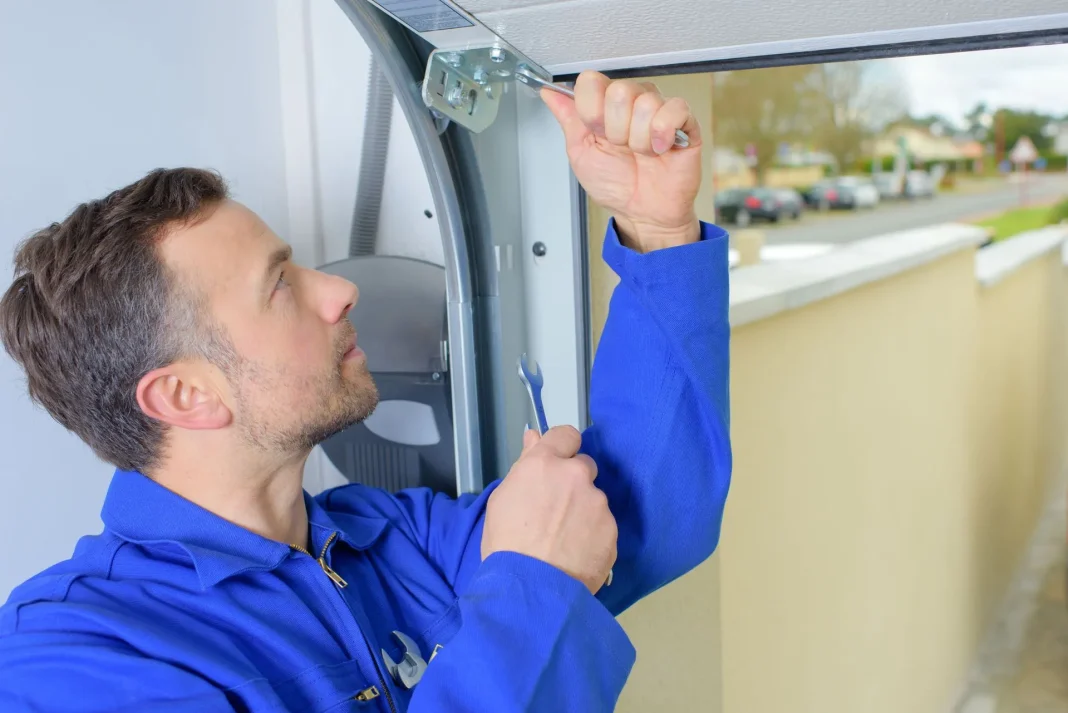
Framing conditions matter just as much. Weak jambs, deteriorated wood, or uneven mounting surfaces can prevent tracks and brackets from staying secure. During garage door installation, technicians inspect these areas and identify structural repairs needed before attaching the new system.
How Much Weight Can the Existing Garage Support?
Garage doors vary considerably in weight depending on their materials and construction. A basic single-layer steel door generally weighs less than a heavily insulated model with decorative overlays. Wood doors and designs featuring large glass panels can introduce additional weight that affects the counterbalance system and supporting hardware.
Structural suitability involves checking the framing where tracks, spring assemblies, and opener supports attach. Heavier doors may require different springs, reinforced mounting points, or upgraded hardware. Adding weight without adjusting the lifting system can cause poor balance and premature wear.
Headroom and Ceiling Layout Can Limit Door Styles
Limited space above the garage opening can make conventional track arrangements difficult. Standard sectional doors need adequate room for curved tracks, springs, and moving panels. Low ceilings, exposed beams, and overhead storage may interfere with these components. Low-headroom track systems can accommodate certain restricted spaces, although their requirements depend on the door and hardware.
Ceiling obstructions also affect garage door opener installation. A conventional ceiling-mounted opener needs suitable mounting space and support, while some wall-mounted models offer alternatives for compatible torsion-shaft systems. Installers must verify clearance and equipment requirements rather than selecting an opener based only on available ceiling space.
Why Wider Garage Doors Need Proper Structural Support
Double-width garage openings present different structural demands than smaller single-car openings. The header above the opening supports loads from the building above and must be appropriate for the span. Its design depends on the building’s construction and applicable structural requirements, not simply the weight of the garage door.
Larger doors can also experience greater wind pressure across their wider surface area. Wind-rated doors use tested reinforcement systems, appropriate tracks, and compatible hardware. A heavier or reinforced door may require a different spring arrangement. For existing garages, structural modifications should receive appropriate professional evaluation before installation.
Matching Door Materials With the Garage’s Construction
Steel doors work with many residential garage designs and offer several insulation and finish options. Aluminum and glass doors can suit modern homes, although panel construction and glass selection affect weight. Wood doors provide a traditional appearance but require attention to moisture exposure and maintenance. Composite overlays can add visual detail while changing the door’s overall weight.
Material selection should also account for the surrounding structure. A garage with limited mounting strength may need repairs or reinforcement before accepting a heavier design. Older doors cannot always support new decorative additions without mechanical adjustments.
Decorative Hardware and Windows Change the Door’s Balance
Windows, decorative panels, and exterior hardware can influence how a garage door operates. Adding glass sections changes panel weight, particularly when homeowners choose insulated or impact-resistant glazing. Heavy decorative overlays may require stronger hinges and a properly sized spring system.
Balance adjustments become necessary whenever modifications significantly change the door’s weight. Replacing garage door spring components with correctly rated parts helps maintain suitable lifting force, but installers must also consider drums, cables, and other hardware. Decorative accessories should follow the door manufacturer’s specifications rather than being attached without checking their mechanical effects.
Existing Damage Can Affect the New Door’s Performance
A garage with shifting framing, damaged tracks, or loose mounting points may continue developing problems after replacement. Misaligned jambs can cause uneven roller movement, while deteriorated supports allow brackets to loosen. Homeowners searching for a garage door repairman near me may discover that recurring operational problems originate from the installation surfaces rather than the door itself.
Qualified technicians inspect the opening, evaluate mounting conditions, and recommend corrections before installing replacement hardware. Addressing these underlying issues helps the new door operate without unnecessary binding or uneven pressure.
Professional Measurements Help Avoid Installation Problems
Proper door selection involves matching the design with the building’s dimensions, mounting surfaces, wind-load requirements, and available operating space. An attractive model may need specialized tracks or hardware to function in a particular garage. Contractors also consider future maintenance access, opener placement, and whether existing structural conditions can support the proposed equipment.
Homeowners searching for an overhead door company near me can benefit from a professional assessment before purchasing a replacement door. Snappy Doors provides garage door installation, repair, and maintenance services. The company can help evaluate garage openings, recommend suitable door options, and install compatible hardware so the finished system fits the property’s structural conditions and everyday needs