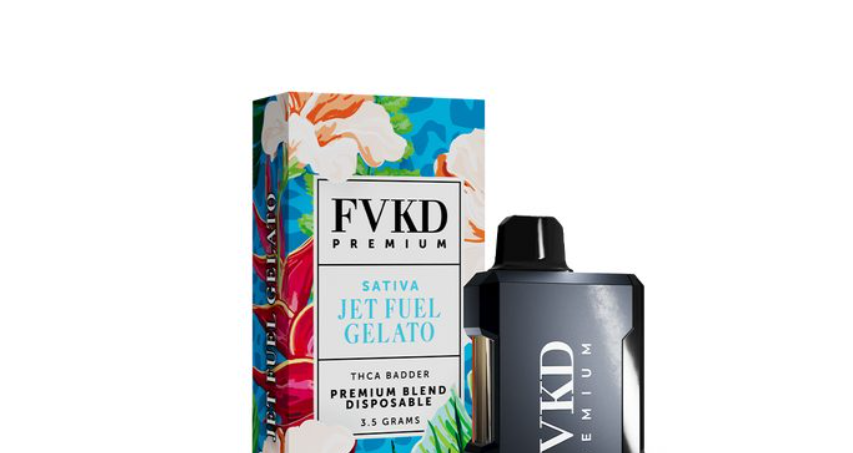
Choosing a premium vaping product involves more than comparing packaging or picking a flavor that sounds appealing. Buyers also need to consider ingredients, product formats, manufacturing transparency, and the information available on the label. These details can help adults make more informed decisions about a product’s contents and intended use. When reviewing a premium collection, a practical approach means looking beyond branding and focusing on verifiable details, responsible purchasing, and safety.
What Does “Premium” Really Mean in Vaping?
“Premium” does not guarantee quality, purity, or safety. When evaluating the FVKD premium collection, consider ingredient transparency, product details, manufacturing standards, device construction, and regulatory compliance. Higher prices and attractive packaging alone do not prove superior quality.
Why Product Labels Deserve Attention
Labels help consumers understand a product’s contents, potency, manufacturer, batch details, and potential risks. Look for clear ingredient lists, relevant warnings, and accessible laboratory reports. Check that any certificate of analysis matches the specific product and batch.
Laboratory testing can identify certain substances and contaminants, but its reliability depends on the laboratory, testing scope, and sample traceability. A test report does not guarantee that a product is risk-free or that vaping is harmless.
Comparing Product Formats Before Making a Choice
Vaping products are not interchangeable simply because they share a brand name. Different formats can involve different ingredients, delivery mechanisms, and usage considerations.
For example, a disposable device typically combines a battery, heating element, and prefilled reservoir in one unit. Other products may use refillable systems or separate containers intended for compatible devices.
The distinction matters because a product’s format affects more than convenience. Battery design, charging requirements, storage conditions, and disposal instructions can all influence how a device should be handled.
Disposable Devices and Their Practical Considerations
A fvkd premium disposable listing should be evaluated using the same basic standards as any other vaping product. Buyers should verify the stated formulation, device specifications, operating instructions, and relevant testing rather than assuming that a particular format guarantees a better experience.
Disposable devices are generally intended for use until their contents are depleted or the device reaches the end of its usable life. Reusable systems may allow certain components to be replaced or refilled, depending on their design.
Neither category should automatically be considered safer. Product construction, ingredient quality, electrical safety, and proper handling all matter.
Disposable electronics also create a waste-management concern. Batteries and electronic components should not be casually discarded in household trash where local rules prohibit it. Check municipal guidance for suitable electronic-waste or battery collection options.
How to Evaluate Product Information
A sensible evaluation starts with the specific item rather than assumptions about an entire collection. Product descriptions can help identify available formats, but buyers should verify important details through labels, manufacturer documentation, and independent testing where available.
Consider this checklist:
| What to check | Why it matters |
| Ingredients and formulation | Clarifies what the product contains |
| Cannabinoid information | Provides context for stated composition and potency |
| Batch-specific testing | Helps assess whether relevant quality checks were performed |
| Device specifications | Clarifies charging and operating requirements |
| Age and purchase restrictions | Helps establish whether a purchase is lawful |
| Storage and disposal instructions | Supports appropriate handling and end-of-life management |
This approach keeps the evaluation grounded in evidence. If a listing does not provide enough information to answer an important question, contacting the seller or manufacturer is more sensible than filling the gap with assumptions.
Flavor Names Are Not Ingredient Guarantees
Flavor descriptions and strain-inspired names are common throughout the cannabis and vaping industries. They help distinguish products in a crowded marketplace, but they do not necessarily reveal the complete formulation.
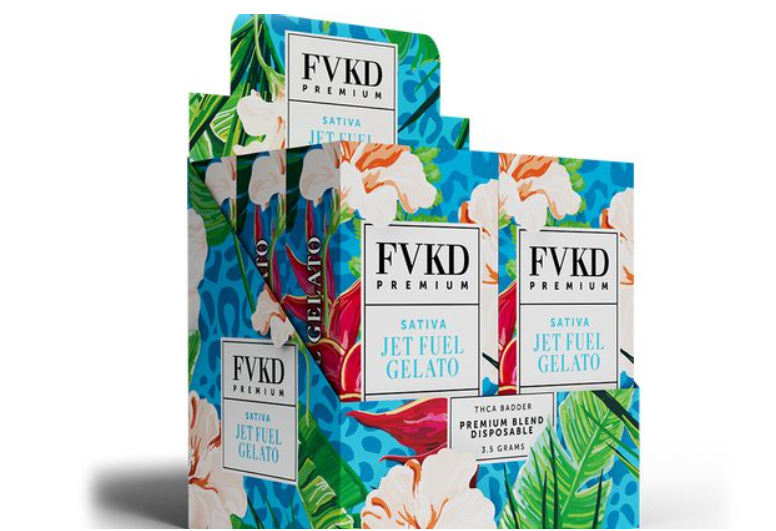
The jet fuel gelato strain name illustrates how cannabis-inspired terminology can combine contrasting sensory associations to create a distinctive product identity. However, a strain name alone does not verify a product’s ingredients, terpene profile, potency, or expected effects. Buyers should refer to the product label and relevant laboratory documentation for information about its actual composition.
A name suggesting fruit, dessert, or a particular cannabis strain should not be treated as proof of specific ingredients, terpene concentrations, or effects. Actual composition must be assessed using product documentation and reliable testing.
The same principle applies to claims about smoothness, strength, or consistency. Marketing language can communicate a brand’s positioning, but measurable specifications and credible evidence provide a stronger basis for comparison.
Transparency, Testing, and Consumer Confidence
Trustworthy product information should be clear, accessible, and consistent. For cannabinoid products, laboratory reports may include cannabinoid levels and screenings for contaminants such as pesticides, residual solvents, heavy metals, and microbes, depending on the product and regulations.
Review the laboratory, report date, sample identification, testing panel, and results rather than relying on “lab tested” claims. Compliance with testing requirements does not guarantee safety, and testing cannot prove that inhaling a substance is harmless.
Responsible Purchasing and Everyday Safety
Consumers should consider their health, local laws, and the risks of inhaling aerosols. Nicotine can cause dependence, while THC and other intoxicating cannabinoids may impair attention, coordination, perception, and judgment. Avoid driving or operating machinery after using intoxicating products.
Follow these precautions:
- Follow manufacturer instructions for charging, storage, and disposal.
- Avoid damaged, leaking, or overheating devices and incompatible components.
- Keep products away from children and pets.
- Never assume ingredients are safe to inhale because they are used in other applications.
- Check local laws before purchasing or using cannabinoid products.
- Consult a healthcare professional if pregnant, breastfeeding, managing a medical condition, or taking potentially interacting medications.
- Stop use and seek medical guidance if an adverse reaction occurs.
Brand Identity Versus Verifiable Quality
Brand recognition and attractive packaging do not guarantee product quality or safety. Manufacturing records, accurate labeling, product specifications, and relevant test results provide more reliable evidence.
Compare products based on documented ingredients, formulation, capacity, intended use, and operating requirements rather than appearance or promotional claims. Missing or contradictory information is a reason to seek clarification before purchasing.
Conclusion
A premium label is a starting point, not proof of quality or safety. Evaluate FVKD Exotics through verifiable product specifications, accurate labeling, batch-specific laboratory reports, and applicable regulations. Follow safety instructions and remember that testing cannot eliminate every risk.
Disclaimer: This article is for general informational purposes only and does not constitute medical, legal, or purchasing advice. Vaping and cannabinoid products may carry health risks. Availability, legality, composition, and regulations vary by location. Consult authoritative sources and qualified professionals when appropriate.