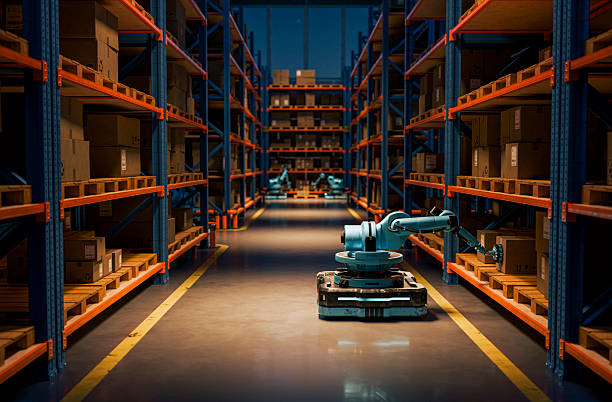
Expanding the warehouse means more challenges. More orders, which leads to a larger volume of stock to shift, more items in the warehouse, and less room for Idling. Having the right equipment helps your team work safely, eliminates manual effort, and assists with completing daily tasks on time.
However, buying gear with no strategy can lead to unused items and extra costs. Before making any investments, consider your present load, what you may require in the future, and when your warehouse system handles goods.
Begin with Daily Handling Tasks
Every warehouse has different needs. Some handle hundreds of cartons and pallets at a time, while others work with drums and bulk materials or even heavy machinery spare parts.
Start with a layout of how items flow through your facility. Consider all aspects of your supply chain, from receiving, storage, picking and packing to dispatch. Find tasks that take too long or involve picking something up repeatedly,
This insures that the pallet jacks may perform short of distance movement on a small site. Forklifts are capable of carrying heavier loads, while lifting attachments may assist with selected tasks.
If businesses are comparing material handling equipment in Frankston, it is best to look at the types of tasks that result in the greatest delays or most physical strain. Addressing these issues first can provide more value than acquiring equipment based solely on price.
Match Equipment to Your Space
The layout of the warehouse determines what equipment will be efficient. Operations are limited to narrow aisles, low ceilings, and tight loading areas.
Take down the aisle widths, doorways, turning spaces, and safe heights before buying decisions are made. Note, however, floor conditions and limitations on weight.
Consider these key factors:
- Load capacity: Is your equipment safe for your heaviest load?
- Dimensions: Will it fit through aisles and doorways?
- Floor surface: Is the floor equipped for the equipment and related loads?
- Storage needs: Will this help you maximise vertical space?
- Operator safety: Do controls, visibility, & access facilitate daily use?
An appropriate site assessment may save costly spoilage mistakes and assists to ameliorate workflows.
Plan for Future Growth
What works for your business now might not fit the bill in two years. Consider potential order volumes, new product categories, and even changes in your storage design.
You course of action not have to buy the biggest machine there is to go with. Opt for equipment to fulfil current needs, but leave room for reasonable expansion.
Evaluate the purchase cost and maintenance, training costs, and expected service life of the material handling equipment you are reviewing. However, if a cheaper device starts requiring repairs soon after its frequently used or use to slow down the work.
Safety and Training Should Never Be Overlooked
Any equipment, even the most suitable ones, can pose risks if used incorrectly. Each machine or attachment should have a procedure and workers need to be trained on it.
Verify that the equipment is fitted with the mandated safeguards and has proper documentation. Schedule periodic inspections and put damaged items out of service.
You also need to review manual lifting tasks. Mechanical aids can help decrease lifting but you still require your staff to have safer work processes and clear access routes.
Make a Practical Investment
You don’t need the most expensive equipment out there. It’s the gear that solves real world problems, fits your space, and will stand up to your team’s use.
Compare material handling equipment and specifications in addition to support, use and total costs of ownership. Similarly, the other vital thing to consider while purchasing material handling equipment in Oakleigh is maintaining load rating and buying the selective brands which promises easy maintenance purposes.
A small warehouse for tomorrow but optimised today with good logistics.