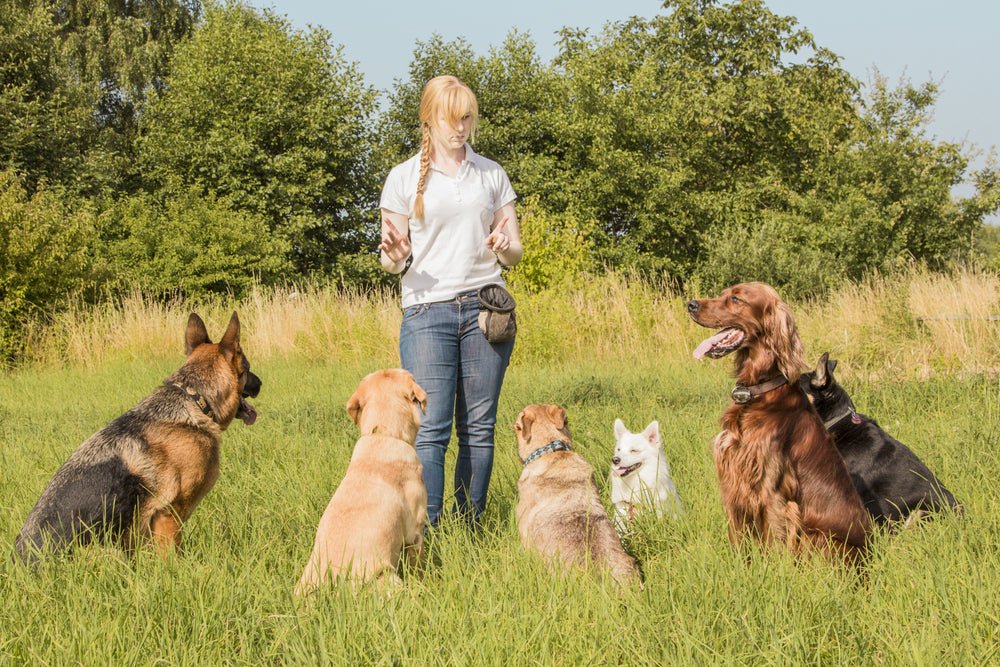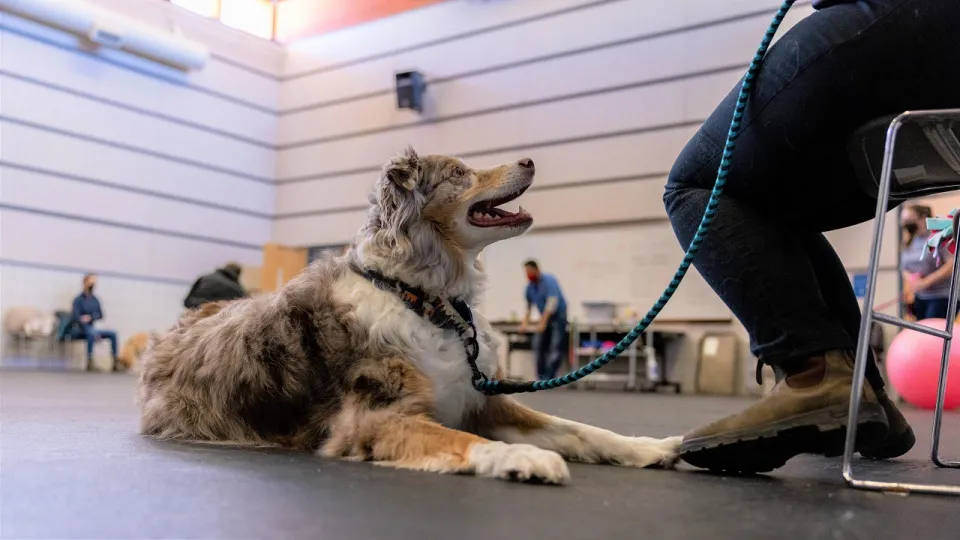
A dog that barks through every doorbell ring or drags its owner down the sidewalk can make ordinary routines frustrating. These habits often develop for understandable reasons, even if they become difficult to manage at home or in public. Professional trainers look at what causes each behavior and teach dogs better ways to respond, while helping owners understand how to maintain those improvements.
Why Do Dogs Keep Jumping on Guests?
Jumping on visitors often starts with a simple reward: attention. Excited dogs quickly learn that leaping toward someone gets a reaction, whether that person laughs, speaks, or pushes them away. Trainers address this by teaching alternative greetings, such as sitting or keeping all four paws on the floor. Rewards come while the dog stays calm, helping it understand which behavior earns attention. Family members also need to follow the same rules because inconsistent greetings can keep the habit going. During dog training, instructors may practice doorbell sounds, staged arrivals, and controlled introductions to prepare dogs for actual visits. A leash or gate can help prevent jumping while the animal learns to greet people appropriately.
Leash Pulling Makes Walks Harder Than They Should Be
Dogs naturally move faster than people, especially when interesting smells or other animals catch their attention. Pulling becomes a learned habit when it consistently helps them reach something they want. Loose-leash exercises teach dogs to stay within a comfortable distance while their handlers reinforce walking without tension. Sessions often begin in quiet surroundings before moving into busier areas.
Instead of constantly pulling dogs backward, trainers reward appropriate positioning and change direction when necessary. Short practice walks help build better habits without exhausting the animal’s attention. Owners also learn how leash length, walking pace, and reward timing affect progress. Consistent handling eventually makes neighborhood walks more manageable without turning every outing into a struggle for control.
Excessive Barking Can Have Several Different Causes
Barking serves different purposes depending on the situation. Territorial dogs may react to someone approaching the property, while bored animals sometimes vocalize to attract attention. Fear, frustration, and excitement can produce similar sounds, making it important to understand what happens before the barking begins. Trainers observe body language, environmental triggers, and how quickly the dog settles afterward. Treatment may involve rewarding quiet behavior, teaching a different response to visitors, or gradually introducing sounds at a manageable volume. Punishing barking without addressing its cause can increase stress, especially in fearful dogs. People searching for dog training near me benefit from programs that assess the reason behind the behavior rather than treating every barking problem the same way.
What Causes Dogs to Lunge at Strangers or Other Animals?
Lunging often develops when dogs feel threatened, frustrated, or overly excited during encounters. A barking dog at the end of a tight leash may want more distance from another animal rather than an opportunity to fight. Trainers examine how close the trigger can approach before the dog becomes uncomfortable and loses focus.
Controlled behavior exercises begin far enough away for the animal to notice the trigger without reacting strongly. Rewards encourage calmer responses, while gradual exposure helps dogs develop more comfortable associations. People researching dog training Huntsville AL services should look for instructors who recognize the difference between fear-based reactivity and other forms of aggression. Serious biting concerns require careful assessment and appropriate safety measures, not forced interactions that could worsen the problem.
Chewing, Digging, and Destructive Habits Around the House
Damaged furniture and holes in the backyard can point to several different problems. Puppies chew while investigating their surroundings and developing teeth, while older dogs may chew from boredom, frustration, or stress. Digging can satisfy a natural urge to investigate smells, create a cool resting spot, or escape confinement. Trainers consider the dog’s age, exercise routine, supervision, and access to appropriate activities before recommending changes. Safe chew toys, enrichment activities, designated digging areas, and consistent household boundaries can redirect unwanted behavior. Families comparing dog obedience training near me options should ask whether instruction addresses home habits alongside basic commands. Destruction that occurs specifically during an owner’s absence may require assessment for separation-related distress rather than ordinary obedience lessons.
Struggling With Basic Commands and Coming Back When Called
Ignoring commands does not always mean a dog refuses to cooperate. Confusing instructions, competing distractions, and inconsistent rewards can make familiar cues unreliable outside the home. Structured dog obedience training begins with clear commands for sitting, staying, waiting, and returning when called. Trainers gradually increase the difficulty once the dog responds consistently in a controlled setting.
Recall becomes particularly important when dogs have more freedom to move around. Through off leash k9 training, instructors can develop response skills using long training lines, enclosed spaces, and carefully introduced distractions. Practice may involve calling dogs away from toys, other people, or interesting smells before rewarding their return. Reliable responses take repeated practice, and leash laws or unsafe surroundings can still make physical restraint necessary.
Helping Dogs That Struggle With Fear and Separation
An anxious dog may hide from visitors, tremble during unfamiliar sounds, or become distressed when left alone. Fearful reactions sometimes look like stubbornness, but forcing an uncomfortable animal into a stressful situation can make matters worse. Qualified trainers work at a pace the dog can handle, building confidence through manageable experiences and rewarding relaxed behavior. Separation-related problems require a different approach, often involving gradual practice with short absences and changes to the dog’s daily routine. Sudden behavior changes or severe anxiety may also call for veterinary evaluation to rule out medical problems.
K9 Dynamics offers professional dog training and behavior-focused instruction for dogs in Huntsville and surrounding communities. Its obedience programs help owners address unwanted habits, strengthen communication, and practice appropriate responses during everyday activities. For dogs struggling with basic manners or following commands around distractions, the company provides structured training options suited to different learning needs.