Electric vehicles are changing what renters look for in a garage, driveway, and electrical setup. Renters comparing townhomes for rent near me now have to ask whether a property offers an installed charger, an EV-ready outlet, or simply the option to add equipment later. Clear answers matter because those three setups can lead to very different charging costs and day-to-day convenience.
What Does “EV-Ready” Really Mean in a Rental Townhome?
Actual EV infrastructure can range from a basic 120-volt outlet to a 240-volt circuit designed for faster Level 2 charging. Listings sometimes use “EV-ready” to mean the wiring and electrical capacity are in place, but the charging unit itself is not installed. Residents looking at townhomes near me should ask exactly what hardware is provided, what amperage the circuit supports, and whether the tenant must supply a charger.
Private Garages Can Make Home Charging Much Easier
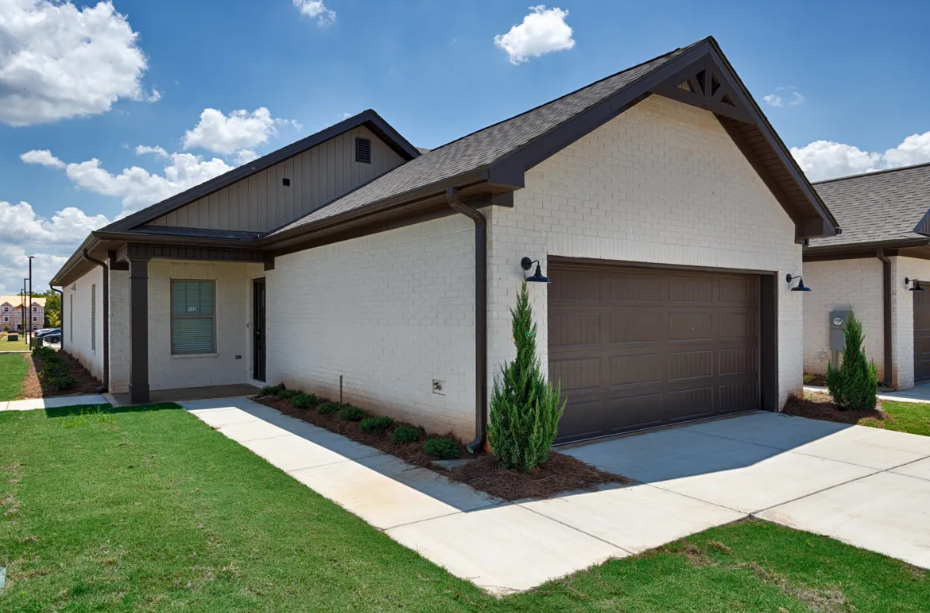
Properties with attached garages give EV drivers a major advantage because charging equipment can stay close to the vehicle and protected from weather. Dedicated parking also avoids the problem of waiting for a shared charging space to open. People comparing townhomes in Huntsville AL should still confirm that the garage outlet is intended for vehicle charging rather than assuming any wall receptacle can safely handle the load.
Electrical capacity matters just as much as physical parking. Older panels may not have enough room for a new 240-volt circuit without upgrades, while newer construction may already include suitable wiring. Shoppers researching Huntsville townhomes near me can ask whether the circuit has its own breaker, whether overnight charging is allowed, and who pays for garage electricity.
Shared Chargers Work Differently From Garage-Based Charging
Community charging stations can serve residents who do not have dedicated electrical service at their parking space. Shared equipment, however, may come with time limits, network fees, reservation rules, or competition during busy evening hours. Drivers should learn how many chargers serve the property and whether parking spaces are restricted to vehicles that are actively charging.
Who Pays for the Charger, Installation, and Electricity?
Lease terms can determine whether management provides the charging equipment or the renter must purchase it. Certain properties may allow tenants to install approved equipment at their own expense, while others prohibit permanent electrical changes. Applicants comparing townhome apartments near me should get written permission before hiring an electrician or mounting equipment inside a garage.
Utility billing also deserves attention. A charger connected to the townhome’s meter usually places the electricity cost directly on the resident, while shared stations may bill through an app or monthly account. Households that drive long distances should compare charging rates because small differences can add up over a full lease term.
Charging Speed Should Match the Way the Vehicle Is Used
Level 1 charging from a standard outlet can work for drivers with short daily trips and plenty of overnight time. Faster Level 2 equipment often suits commuters who return home with a lower battery and need more range by morning. Prospective renters should compare average mileage, battery size, and overnight parking time before deciding how much charging speed they truly need.
Check the Lease Before Bringing an EV Charger Home
Rental agreements may include rules for electrical equipment, garage modifications, insurance, and contractor access. Written approval can protect both the resident and property owner if installation is needed. Anyone searching townhomes for sale or townhouses for sale near me should also pay attention to electrical capacity, since future EV needs can affect ownership costs just as easily as rental decisions.
Move-out requirements matter too. Management may require tenant-installed equipment to remain in place, be removed by a licensed electrician, or leave wiring in its original condition. Buyers who eventually search buy townhouse near me can use their rental experience to decide whether a dedicated charger should become a must-have feature in a future home.
EV Charging Is Only One Part of the Garage Decision
Garage size, storage, door clearance, and direct home access still matter even when charging is available. A narrow space can make it difficult to park beside a wall-mounted charger, especially with a larger SUV or truck. Occupants should test the actual parking area and note where the cable would reach before assuming the setup will be convenient.
The Enclave Townhomes at Trailhead gives renters a modern, maintenance-free townhome option with the private garage setting many EV drivers prefer. Interested residents can ask the leasing team about current charging provisions, garage electrical capacity, installation rules, and any related costs before signing a lease. Those comparing Huntsville townhomes for sale can also use that information as a useful benchmark for the parking and electrical features they may want if they later decide to purchase a home.