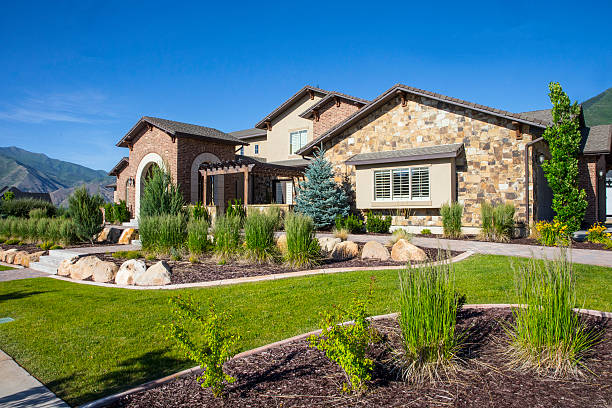
A yard can look worn out long before it becomes unusable. Bare strips, tire ruts, stubborn weeds, and soggy spots point to damage ordinary lawn care cannot solve. The right repairs depend on what caused the damage and how much ground needs attention.
Bare Spots Return After Every Repair
Repeated reseeding fails if the original problem remains. Grass struggles where tree roots compete for moisture, sprinklers miss spots, or mower blades cut too low. Instead of recommending sod immediately, a professional checks sunlight, soil moisture, and how people use the space. Searching for landscaping near me makes sense when seasonal patching costs more than a proper repair. Possible fixes include soil loosening, a different grass variety, or a path that keeps foot traffic away from fragile turf.
Has Construction Left the Yard Uneven?
Driveway work, utility repairs, and home additions leave more than visible tire marks. Heavy vehicles compress the soil, while excavation can mix topsoil with clay, stone, and building debris.
Before putting down grass, a landscaper may need to remove rubble, loosen compacted layers, replace suitable topsoil, and reset the grade. Sunken strips over buried utility lines deserve special attention because poorly compacted backfill settles over time. Homeowners searching for a landscaper near me should ask whether finish grading and excavation repairs are included alongside sod.
Overgrown Areas Hide More Work Than Expected
Thick briars, volunteer trees, and tangled vines can turn part of a yard into unusable ground. Cutting the tops off makes the space look cleaner for a few weeks, but remaining roots and stumps interfere with leveling and replanting. Property owners comparing land clearing services near me should check whether the crew can remove woody growth, collect debris, and protect trees worth keeping. Professional land clearing services expose buried obstacles before grading begins. Crews should locate fences and property boundaries before clearing begins.
What If Water Keeps Ruining the Lawn?
Soft ground after every shower can mean runoff collects in a low area, downspouts discharge onto the lawn, or dense soil slows infiltration. Fresh grass will struggle if roots sit in saturated ground long enough to lose oxygen.
Drainage repairs start with watching where water travels during rainfall. Depending on the lot, a contractor may regrade shallow depressions, redirect downspouts, or shape a swale to carry excess water toward a suitable outlet. Responsible landscaping also protects neighboring properties; moving water off one yard should not create flooding next door.
Hard, Thin Soil Needs More Than Fertilizer
Dirt that feels like concrete in summer may be compacted, low in organic matter, or stripped of its original topsoil. New plants struggle because roots cannot reach water below the surface. Testing reveals nutrient and pH problems, while shovel inspections expose compacted layers or leftover fill. Aeration may help an established lawn with light compaction, but badly disturbed ground can need deeper loosening and soil replacement. Contractors should avoid working wet clay, which can become even denser when equipment presses against it.
Can a Steep Yard Be Restored Without Major Grading?
Slopes develop washed-out channels when runoff moves faster than ground cover can establish. Spreading seed over exposed dirt usually does little unless the surface is stabilized and water flow is controlled.
Moderate grades may benefit from erosion blankets, mulch, and appropriate planting while vegetation takes root. Steeper sections may need terracing, drainage changes, or a professionally designed retaining structure. Selective clearing sometimes precedes this work, but removing all established vegetation at once can worsen erosion. Keeping useful roots in place until replacements are ready reduces that risk.
The Yard Needs to Match How People Use It
Successful restoration considers how people will use the yard. Active dogs, parked trailers, play equipment, and frequent foot traffic all wear grass differently, especially near gates and narrow paths. Experienced contractors may recommend durable turf, gravel paths, or mulch beneath deeply shaded trees. Matching the surface to actual use keeps the property from returning to the same damaged state. Plant selection matters too: species that tolerate local heat, rainfall, and sun exposure generally demand fewer corrective repairs.
Knowing When the Project Is Beyond DIY
Small bare patches may only require loosening soil and reseeding. Bigger projects require hauling soil, removing stumps, correcting grades, or repairing drainage around structures. Anyone searching for land clearing companies near me should check which services are included, what machinery can access the yard, and how finished surfaces will be protected from erosion.
Property owners in Decatur and surrounding North Alabama communities can turn to Woods Landscaping & Dirt Work LLC for land clearing, grading, dirt work, and landscaping services. The company helps transform overgrown, uneven, and construction-damaged yards by removing unwanted vegetation, leveling ground surfaces, and preparing soil for new lawns and other outdoor improvements. Its services are well suited for properties that need substantial ground preparation before restoration and landscaping work can begin.